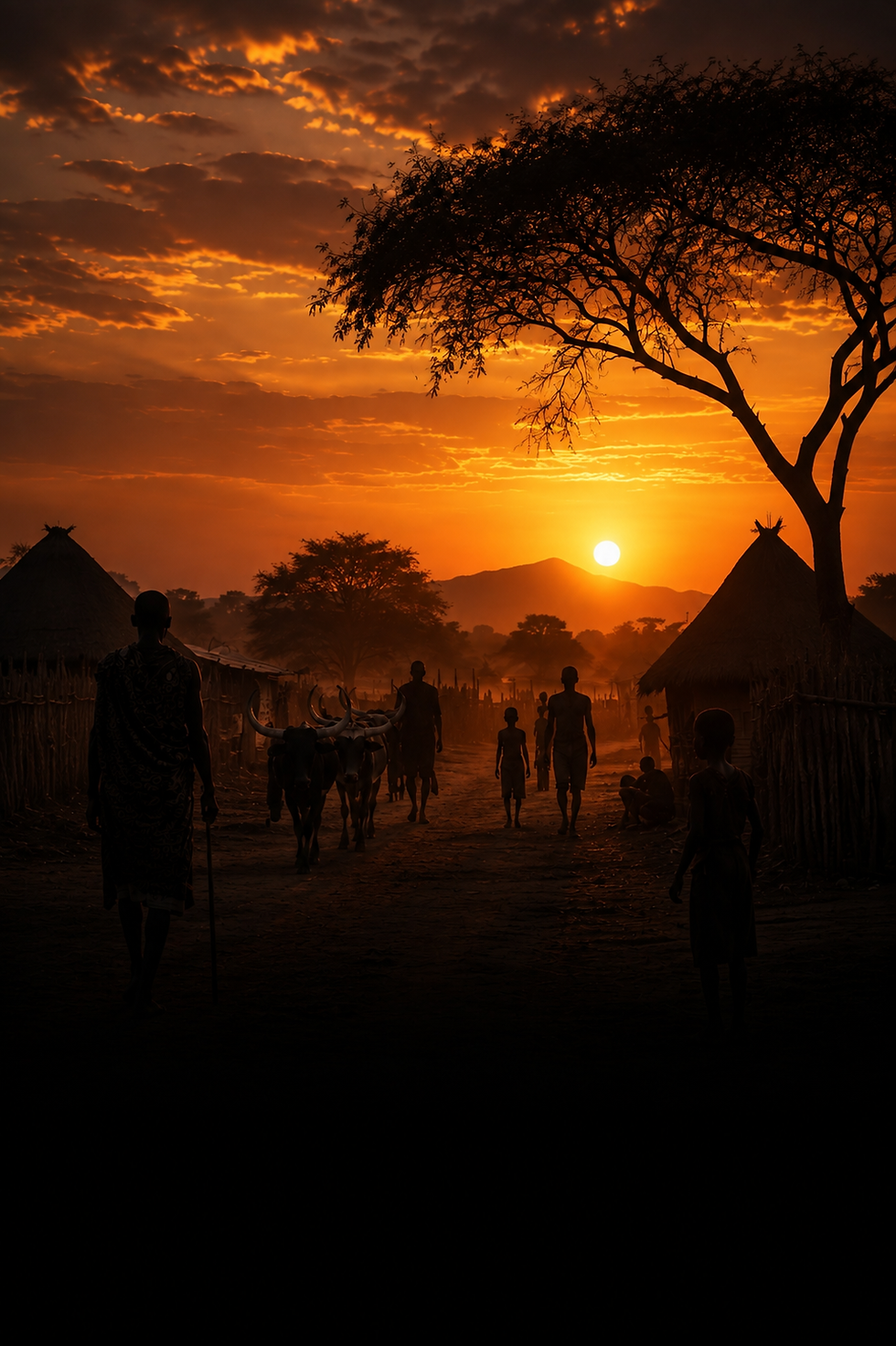
Conflict may be synonymous with Sudan but alongside this exists a continuum of peacebuilding efforts. There were eight peace agreements from the Addis Ababa Agreement in 1972 to the signing of the Comprehensive Peace Agreement (CPA) in 2005, along with 25 direct or mediated peace talks.iv These agreements were not limited to settling conflicts between the north and south, in fact most focused on addressing the conflicts between competing southern factions.
The 1990s and 2000s witnessed successive peace initiatives. The IGAD negotiations began in 1993 and continued into 1994 but eventually stalled and broke down as regional tensions overshadowed their progress.v The 1996 Political Charter laid the foundation for the Khartoum Peace Agreement (KPA) in 1997. The KPA was a defining and historic moment in Sudan’s history as it set in motion plans for a referendum on the south – a pledge that was included in Sudan’s 1998 constitution,vi as well as provisions for wealth sharing, including the oil resources.vii It laid the foundation for later discussions in Machakos, Kenya and the Protocol of 2002 that included the details on the right to self-determination which eventually led to the CPA in 2005viii and secession for South Sudan in 2011.
This chapter provides a brief historical overview of conflict and peace in Sudan. Full historical accounts are beyond the scope of this Report, so instead it examines the Khartoum Peace Agreement (KPA) to show the clear rationale for Lundin entering Sudan at a time when peace was the ‘talk of the town’. It also coincided with the international community’s focus on ‘constructive engagement’ and economic development as a means for long-term peacebuilding and a means to move away from dependence on humanitarian aid, which is not a sustainable solution for a country. It then looks at external involvement in Sudan and particularly the role of the USA, which was instrumental to South Sudan’s independence via powerful religious and political lobby groups. The southern rebel group, the Sudan People’s Liberation Movement/Army (SPLM/A) is considered in the context of the USA and humanitarian aid connections; its leading role amongst the many different factions in the secession movement; and the powerful propaganda campaign it initiated focused around religion and oil that the advocacy groups propagated.
I. HISTORICAL CONTEXT
Before South Sudan’s independence in 2011, Sudan was the largest country in Africa and bordered nine other African countries: covering more than 2,500,000 square kilometres with 19 major ethnic groups and over 500 subgroups speaking more than 60 languages and dialects. Simply navigating this vast land presents limitations that are rarely explained to outsiders.
Droughts, floods and famine are also recurrent themes in Sudan’s history. These incidences have not only caused death and food shortages but also displacement on a largescale. From the 1980s and through the 1990s, droughts accompanied the desertification of Sudan. This led to the movement of people seeking to improve their socio-economic opportunities and basic survival. Increased conflicts for water, grazing land and fishing rights as well as cattle raids, particularly between factions of the major southern ethnic groups, the Dinka and Nuer, were a constant feature in Sudan’s instability. The interfactional conflicts in the 1990s and the new millennium were responsible for ninety-per cent of internally displaced people in Sudan. There have long been conflicts that have led to strife between different ethnic groups in southern Sudan and Sudan that in no way have been linked to a "north-south" conflict.
Two such conflict hot spots have been the conflicts between the Dinka and Nuer ethnic groups and between different Nuer groups.
Singular causes of the conflicts in southern Sudan are contested. The factors that are most fiercely debated centre around: the role of political elites, inter and intra-tribal animosities, competition and control of resources such as land and cattle, historic external influences from Egyptian interference to colonial divide and rule policies of the former British Empire, access to weapons, external patronage, militarization of society, and/or leadership.
In southern Sudan, the prevailing way of life is traditional agriculture and the raising of livestock. For decades, this has led to acute competition and conflict over natural resources, such as water, fishing and grazing, among the various communities. Farmers and nomadic herdsmen in undeveloped rural areas have historically clashed for long-standing reasons. Religion and ethnicity have been exploited by elites and foreign actors for their own political agendas. Famine and food have been used frequently as weapons of war. Weapons have been supplied by foreign powers via Sudan’s neighbours fighting proxy or ideological wars via Sudanese factional groups. The picture is complex and history disputed.
II. KHARTOUM PEACE AGREEMENT (KPA) AND PEACE INITIATIVES
The international community and Intergovernmental Authority on Drought & Development (IGADD, latterly IGAD) were heavily involved in peacebuilding efforts between the Government of Sudan and the rebel group, the SPLM/A throughout the 1990s and 2000s. Internal peacebuilding efforts led by the church and NGOs focused on the inter-factional fighting that was devastating local communities.
In 1996/1997 there were clear signs that Sudan was working towards peace. Sudan was opening up to foreign investment and the European Union was actively encouraging European businesses to invest in the country. The IMF was working with Sudan on economic reforms and structural adjustment programmes. There were no sanctions against investment in Sudan by the EU or UN throughout the Company’s period of interest. It was in this context, and with the upcoming signing of the Khartoum Peace Agreement in April 1997, that the Company entered into an Exploration and Production Sharing Agreement (EPSA). The KPA secured peace between the Government of Sudan and prominent Nuer leaders and southern stakeholders in Unity State, as well as other factions of the SPLM/A.
In 1996, the Government of Sudan signed the Political Charter with the South Sudanese Independence Movement (SSIM), and the SPLM/A (Bahr el-Ghazal Group). This led to the 1997 KPA, signed by the Government of Sudan with the South Sudan United Democratic Salvation Front (UDSF), comprising of the South Sudan Independence Movement (SSIM), the Union of Sudan African Parties (USAP), the SPLM/A Bahr el-Ghazal, the Equatoria Defence Force (EDF) and South Sudan Independents Group (SSIG).
The SPLM/A United signed the Fashoda Agreement, which was an addendum to the KPA.ix The KPA was a significant marker for peace in Sudan’s history as it provided for a referendum for the people of South Sudan to exercise the right of self-determination and wealth sharing. Riek Machar said of the KPA: “If we are not ready to live as equals, then let us separate peacefully”.x In summary, it was intended that the KPA would benefit the whole of Sudan, including the ten southern states, economically and politically.
The Agreement contained stipulations for freedom of religion, constitutional rights, and fundamental human rights. It set out rules for the judiciary, for the enhancement of democracy and for the establishment of the powers of the Federal State and of the individual states, including those of southern Sudan. It established the principle of wealth sharing between the Federal State and the individual states, particularly as regards mineral wealth. Provision was made for Federal social initiatives to be made in the southern states and for the management of issues concerning security within the State’s territory. In particular, the Agreement stipulated that the Federal State was responsible for security in the country as a whole and that individual states were responsible for security and public order within the state. These agreements set forth the eventual secession of the south as enshrined in the 2005 Comprehensive Peace Agreement and eventual independence for South Sudan in 2011.
Chapter 4 of the KPA set out several provisions for wealth-sharing, including oil revenues, xi as part of the Federal Government’s “comprehensive economic and social plan to develop the country in general and to bridge the gap between the various States in particular”.xii In the wealth-sharing mechanisms, the KPA also referred to the need for rehabilitation of war-affected areas. xiii Annex 3 to the KPA provided that 25 per cent of revenues would devolve to the Federal state (Federal Union), 35 per cent to the surrounding states (the Coordinating Council for the South) and 40% to the producing state. Thus, income from oil was to be shared between the Federal state and the states, with oil projects being managed at a national level with “the participation of the states in the management of such projects”. Under Chapter 6 of the KPA, the South Sudan Defence Forces (SSDF) was to “remain separate” from the National Army and “the size of the Sudanese Army in south Sudan should be reduced to peace time level”.
In 2002, the IGAD process was revitalized with the appointment of Kenyan General Lazaro Sumbeiywo leading the mediation process between the Government of Sudan and the SPLM/A under John Garang. This process had significant external support from outside agencies. The US was the dominant power, driven by its own foreign policy concerns and economic interests.
“Though the Clinton administration had been involved in the conflict by indirectly providing resources for the SPLA in the mid-1990s, in 2001 the Bush administration made Sudan a priority. Even before the need to work with Sudan on the “War on Terror” revealed itself, oil companies and others in the U.S. were lobbying Bush to remove the sanctions on companies doing business in Sudan from the June 2001 Sudan Peace Act. In August 2001, the administration publicly announced that it did not approve of the sanctions. After the terrorist attacks one month later, the administration made it clear that it planned to work with Sudan’s government in joint counter-terrorist efforts”.xiv
In addition to the US and IGAD member states, the renewal of the peace process was heavily supported by the United Kingdom and Norway, whilst the EU financed it. Over a period of four years, the process led to a series of mediated talks in Kenya (Nairobi, Karen, Nakuru, Nanyuki, and Naivasha), all of which led to the signing of the CPA in January 2005. The CPA, however, saw the SPLM/A as the sole signatory with the Government of Sudan at the expense of other ethnic southern groups. This approach was divisive as it took away any semblance of democratic process from the outset in South Sudan’s state building process.
The 2005 CPA benefited from the cumulated experience of the previous peace processes, which had been a constant over the decades. It is important to acknowledge that the central issues under discussion leading up to the CPA – self-determination, the relationship between state and religion, power and wealth sharing, and security arrangements – had been points of discussion in previous negotiations. Thus, negotiations started from well-established positions and the challenge for the mediators was to develop a common ground on the main principles underlying the detailed arrangements in the protocols. xv
III. EXTERNAL INVOLVEMENT: COLD WAR – COMMUNISM TO CHRISTIANITY
External involvement in Sudan has pivoted and evolved against a background of shifting international and local priorities since colonial times. American interest in Sudan has shifted dramatically over the last seventy-years. The Cold War saw a manipulation of USA and USSR sympathies and latterly, Sudan became a battleground to prevent the spread of perceived extremist ideology from taking root.
Sudanese allegiances for any side were never predetermined. Former Sudanese President Nimeiri’s promotion of socialist goals on coming to power in 1969 brought him ideologically closer to the Eastern Bloc, but the attempted coup by the Communists in 1971 and subsequent reprisals saw a break away from Eastern Europe. In 1972, there was a resumption of diplomatic relations with the USA, which was followed by a period of strengthening and normalisation of relations with the West. George Herbert Walker Bush visited Sudan in February 1972. Following this visit, he became a strong advocate for the US fostering official relations with Sudan. Until 1981, US military aid to Sudan totalled $63 million, but between 1981 and 1985 it increased dramatically to $350 million. Sudan became the largest recipient of economic and military assistance in all sub-Saharan Africa.xvi
In contrast, the SPLM/A under John Garang was closely aligned to Mengistu Haile Mariam, Ethiopia’s former Marxist ruler, before he was ousted from power in 1991. SPLM/A recruits were sent to train in Cuba from their refugee camps in Ethiopia in the 1970s/80s.
During the Cold War, Washington had backed the Government of Sudan. The collapse of the Soviet Union in the 1990s, alongside Khartoum’s support for a more militant Islam and Saddam Hussein in the First Gulf War, saw the political alliances with the US firmly shift. The SPLM/A now fought a government that had poor relations with the USA, who subsequently saw an ally in the southern Sudanese rebel movement. These themes played into the religious narratives that would soon dominate US involvement in Sudan.
The key leaders of the SPLM/A were some of the best educated in the land and represented the great peoples of south Sudanese tribes: Dr Riek Machar from the Nuer; Dr Lam Akol from the Shilluk; and Dr John Garang from the Dinka. The SPLM/A was never a coherent fighting force as it represented too many disparate and self-interested parties. From its inception in 1983 until the time of the Nasir Declaration in 1991, the SPLM/A policies and practices ran counter to the expectation of many of those who joined.xvii It split into many different and competing factions.
The geographic size and the distinct nature of south Sudanese society shaped the SPLM/A over time. Tribal divisions, ethnic dimensions and contests of power framed its development. “Ethnic mobilisation – and tribal conflicts were the result of political contestation, not a cause. Political agitation along ethnic and tribal lines would not have been effective had it not combined with other issues and been manipulated by those in power”.xviii Alliances were self-serving and opportunistic rather than ideological.
Power shifted constantly in the SPLM/A as it also did with external relations.xix John Garang proved adept in manoeuvring shifting global alliances. He saw an opportunity with the post-Cold War global political environment and changed tactics. He downplayed his Marxist sympathies and the excesses of his campaign, “ready to charm those eager to believe in a better future for Sudan. The SPLM/A spoke of the hope of peace, development, equality and of religion. Describing the suffering of an oppressed Southern Christian minority, the victim of resurgent slavery from the Islamist North, was extremely potent stuff. It won influential backers in the US”.xx John Garang found a receptive audience willing to become benefactors and mouthpieces for his cause.
The violence of the SPLM/A was somehow overlooked, or overshadowed by the greater cause of protecting fellow Christians:
“On the left, the largely Democrat-supporting Congressional Black Caucus pushed the crisis in the South to the highest levels of politics. On this one issue they found a common ally in traditional rivals, for both sides of the political divide became supporters of the South. On the right, the evangelical Christians enraged by the persecution of fellow believers also became vocal critics of Khartoum. They were a vital support base of the Republicans.”xxi
Without question, the American religious lobby group became the most ardent and vocal ally for the South Sudan SPLM/A cause: “the conflict in Sudan remained, ‘Africa’s forgotten war’ – until, that is, the American religious community engaged the cause.”xxii John Garang’s communist sympathies were overlooked as he stressed the Christian character of many south Sudanese and highlighted efforts by Khartoum to impose Sharia law upon the whole of Sudan. His words captured the attention of the Evangelical Americans while the militarist instrument that was the SPLA, intolerant and averse to democratic methods and principles, was overshadowed by the greater calling to protect fellow Christians. The fact that many southerners had also been subject to SPLA violence was ignored.
IV. RELIGION, SLAVERY and SECESSION
Sudan's identification as an Arab or African state, and the role of Islam in Sudan were unresolvedquestions since the country’s independence in 1956. Christian missionaries had first appeared in Sudan in the 1800s and have remained a constant presence in the south.xxiii However, the divisions between Christian and Muslim were not as clearly defined as between north and south. Both religions were represented respectively in each region, as are majority animist and traditional beliefs.
Although the relations between the churches and the SPLM/A were weak for much of the 1980s, partly because of the Ethiopian connection and the SPLA’s Marxist orientation under the tutelage of the Derg regime in Ethiopia, the situation changed rapidly in 1989 with the creation of Operation Lifeline Sudan (OLS). This was the biggest UN-led relief and rehabilitation programme in the world at the time. Now that Western aid agencies were flooding into SPLM/A’s territories, it could no longer afford to suppress the churches outright as they represented unfettered access to aid and resources. John Garang convened a meeting between Bishop Paride Taban of the Roman Catholic Church, and Bishop Nathaniel Garang of the Episcopalian Church, which resulted in the formation of the New Sudan Council of Churches.xxiv The name of the NSCC seemed tacitly to take on the SPLM/A’s core concept of “New Sudan”. Soon after, other churches were brought into the NSCC, including the Presbyterian Church of Sudan (PCOS), the Africa Inland Church (AIC) and the Sudan Interior Church (SIC). The NSCC was supported by a group of international church organisations chaired by the national Council of Churches of Kenya, and included the Sudan Catholic Bishop’s Office, Norwegian Church Aid, DanChurch Aid, Christian Aid, the Mennonite Central Committee and the All African Council of Churches.xxv
It was claimed that Christian movements were to some extent the mirror image of the National Islamic Front that they were railing against. South African Frontline Fellowship ran a newsletter titled: ‘The Challenge of the Crusaders.’ Frontline Fellowship described the SPLA as the ‘Christian forces’ and the Sudan army as ‘the Muslim army’.xxvi A Christian stronghold in southern Sudan against Islamic expansion in the north was viewed as thus established, with external support and patronage notably from American faith based lobby groups and especially so, following the September 11 attacks in 2001.
The presence of the UN Operation Lifeline Support humanitarian aid mission propelled Sudan onto the international humanitarian agenda from 1989 onwards. However, as human rights lawyer Nina Sheaxxvii has observed: “What was missing was an appreciation for the religious basis of the conflict. To Sudanese in the south and the Nuba mountains, the religious dimension was clear: Khartoum intended to eradicate the non-Muslim presence in the country. Yet this was not appreciated by the West”.xxviii The framing of the conflict along Judeo/Christian values by powerful lobby groups in America provided a turning point for international action in Sudan. These groups proved powerful allies in the narrative struggle of Christians against the persecution of ‘Islam’ in Sudan.
Faith-based networks are powerful activist groups, particularly in the USA.xxix America’s Sudan policy began in the early 1990s and accelerated after the passage of the International Religious Freedom Act (IRFA) in 1998. The IRFA made it a policy of the US government not only to condemn violations of religious freedom, but also to promote and assist other governments in the promotion of the fundamental right to freedom of religion. By “standing for liberty and standing with the persecuted”, the Act affirms that the US would use and implement appropriate tools in its foreign policy apparatus.
The IRFA provided the scaffolding for religious freedom advocacy and the legislation provided the legal basis to pursue action and publicity. The Sudan cause brought the support of evangelicals including the Congressional Black Caucus, Catholic Bishops, Jews, Episcopalians, and secular human rights activists:
“With creativity and verve the Sudan activists employed a variety of tools - publicity, protest, grassroots mobilization, divestment pressure, direct humanitarian aid, and legislative sanctions – to alter the trajectory of Sudanese history. This campaign culminated in the passage of the Sudan Peace Act in 2002, which set the stage for a historic 2004 peace treaty ending civil war between the Khartoum regime and Southern rebel groups. Thousands of former slaves have been manumitted, refugees are streaming back and relief supplies now flow to famine plagued areas once cut off by the regime, providing succor to a people long forsaken by the international community.” xxx
The religious fervour with which the actions of faith-based groups mobilised was extraordinary. As Professor of Political Science, Allen Hertze observed, “the fate of besieged people in Sudan, to a remarkable degree, continues to rest on the mobilization of American religious constituencies”.xxxi Slavery was a key issue with which the faith-based lobbying mobilized and were able to draw on powerfully emotive stories from Sudanese people who claimed to be victims of slavery. Baroness Cox from the UK House of Lords was a similarly powerful advocate for the anti-slavery movement in Sudan. She spoke to congregations in America about her numerous trips to Sudan, including stories regarding the rescuing of slaves, which held her in unquestionable heroic status to receptive American audiences. This was despite the criticisms of her actions by global anti-slavery groups who viewed her methods of buying and releasing slaves as a damaging and self-fulfilling strategy.xxxii In the wake of the September 11 attack on America, Baroness Cox had argued that, years before the US was targeted, “Jihad Warriors”, inspired by the same ideology as Osama bin Laden, had targeted Christian communities in Sudan, Indonesia and the Philippines.xxxiii This was a powerful message to send at that time and one that did not go unheeded.
Southern forces manipulated the role of fighting for religious freedom for political advantage, at the same time as they continued their campaigns under the guise of Christian liberators. The wars divided people along ethnic lines and the church was not immune from these divisions.
Although leading religious figures in southern Sudan may not have openly promoted divisive ministries the following was noted: “While individual clergy have had their own political sympathies and pastors on the ground have empathised with their flocks, the churches as bodies have remained united in calling for an end to the killing, a peaceful resolution through dialogue, peace and reconciliation in some cases at great personal risk.”xxxiv Another view reveals the complexities: “Pastors have blamed pagan elders for blessing military campaigns, while elders have countered that educated Christian elites have presided over more destructive wars than the spear feuds of the past. These competing explanations coexisted because, however much outsiders may see them as a monolithic group, individuals within Nuer communities have multiple identities and competing agendas and conduct most of the politics of mobilising and governing militias at that local level on the basis of more parochial motives.”xxxv
Although religious actors and institutions in south Sudan have played a constructive role throughout the conflicts, questions have been raised as to whether they have been effective and at times, struggled to translate their legitimacy and influence into broader peace.xxxvi Religious actors and institutions have played important roles as peace-makers, including the bringing together of Nuer and Dinka elders culminating in the Wunlit Peace Agreement of 1999, however, they have failed to achieve lasting peace and reconciliation. The churches were able to draw on their strong international links to help bring attention to their cause however and the most receptive audience proved to be the United States.xxxvii In the US, “key backers were the powerful Evangelical Right, who saw independence as part of a wider battle against Islamic Extremists.”xxxviii
V. HUMANITARIAN AID
Sudan was the largest recipient of aid in sub-Saharan Africa in the 1980s. During the 1990s humanitarian emphasis began to shift from relief to development. The aid industry was attempting to move to more sustainable methods to establish longer-term peacebuilding in Sudan. UN Operation Lifeline Sudan (OLS) ran from 1989-2005. It was a unique operation as it was a tripartite agreement between the UN, Government of Sudan and the SPLM/A. Aid would become synonymous with the conflicts in Sudan as aid was taken by the SPLM/A and used in its military campaigns against the Government of Sudan and internecine conflicts in the south: these conflicts pre- and post-dated Lundin’s oil operations in Block 5A.xxxix
OLS were not the only humanitarian presence in Sudan. The presence of so many NGOs is underscored by the writer Volker Riehl’s reference to New Sudan being the first ‘NGO-istan’.xl On 3rd February 2001, the Nairobi based correspondent from the influential German Sueddeutsche Zeitung reported that UNICEF had built a headquarters for the SPLM/A in Rumbek (Bahr-el-Ghazal). According to Volker: “It is surprising how international agencies such as UNICEF have today taken sides in the potpourri of ‘good and bad’ in south Sudan. It is doubtful, however, whether UNICEF would agree to pay for the building of any Government of Sudan building in Khartoum.”xli
International involvement in south Sudan waxed and waned considerably throughout the 1990s-2000s as competing global events shifted attention away. Despite widespread reporting and recognition of SPLA violence during the 1990s, the American government under Clinton continued to support the SPLM/A. US support was channelled through various entities and agencies, including selected USAID assisted NGOs like Norwegian People’s Aid, which a later Norwegian government commission found was closely related to the political and military strategies of the rebel movement.xlii
Peter Adwok Nyaba, a former rebel officer wrote about his years with the SPLA that high-ranking officers seized most of the food and other supplies. They then made the civilian refugees work for the rebel movement as porters and servants in return for it. xliii
VI. AMERICAN INVOLVEMENT
There was a distinct pro-SPLM/A faction within the Clinton administration. Reports of international NGOs in SPLA-controlled areas assuming anti-Arab and anti-Sudanese prejudices abounded:
“Genuine solidarity relations between the aid community and the SPLA were never realized but a climate of opinion developed among many aid workers that they were collectively involved in a struggle against the Arab regime in Khartoum. The most significant of these was Operation Lifeline Sudan (OLS), a large consortium of aid agencies which took form in 1989 and operated under UN auspices flying into SPLA territories from bases in Kenya and northern Sudan
which became a crucial mechanism of support for the movement. The OLS practice of providing food to people in SPLA-controlled areas but refusing the same service for SSDF-captured territories because of its links to the Sudanese government is a case in point. Often this meant that a community which abhorred the SPLA nonetheless was forced to put up with it because the people could not long survive having its food source cut off even after local inhabitants had
sometimes joined with the SSDF to be rid of the SPLA.”xliv
Influential political figures in the US administration throughout the late 1990s continued to condemn Riek Machar for his rebellion against John Garang, and also for his alliance with the National Islamic Front government in the north. Salva Kiir – who succeeded Garang following his death in a helicopter crash, was perceived as having no such sympathies. Eric Reeves criticised the US government at this time for moral equivalency for equating the faults of the leaders of southern Sudan with those of Sudan.xlv He argued that the former were simply defending their country while the latter should be viewed as criminals.xlvi This dichotomy became deeply rooted and normalised as the prism through which south Sudan was viewed and treated by America thereafter.
An influential group of US lobbyists played a pivotal and formidable role in US policy approach to south Sudan. Their work was never humanitarian in nature but rather devoted to the independence of south Sudan and the defence of the SPLM/A and its leader, John Garang. It was said its members “knew little of the internal political dynamics of southern Sudan, had little interest in fact-based analysis, justified the most blatant misrepresentations in support of their principles and commitments and never acknowledged that their hero was a life-long supporter of Sudan’s unity, as well as a mass murderer.”xlvii
John Garang’s ability to navigate US government and lobbyists to garner support was an impressive feat. Not least because he was able to pivot from his former Marxist patrons during the Cold War to garner much needed political and financial support from America once the iron curtain had fallen. His American supporters were able to repackage him as a liberal democrat and pursue a narrative that fitted well with evangelical Christians: the SPLM/A was defending persecuted African Christians against an Arab Islamic expansionist government in Khartoum. The complicated backdrop of warfare, hoarding of aid, violence, starvation and forced displacements of civilians by the SPLM/A in revenge or in pursuit of their goals, was conveniently lost against the simplistic repackaging of northern Islamic threat against the persecuted Christian South.xlviii
In 1995, the USA became increasingly active in supporting frontline states that had an antagonistic relationship with Khartoum. This approach was justified by the Government of Sudan’s association with Islamic groups and fear of extremist Islam that pervaded international relations at this time. In order to apply pressure on Khartoum, the Americans openly supported the SPLA. In 1997, President Clinton signed an Executive Order imposing economic and trade sanctions on the Government of Sudan and in August 1998, the USA directly bombed a pharmaceutical plant in Khartoum, claiming it was producing chemicals. An independent investigation later showed that the US suspicion was unfounded.xlix In 1999, Clinton signed an order allowing the USA to support the SPLA directly.l
The new Bush administration in the early 2000s invested heavily in pursuing peace in Sudan based on its own understanding of the conflict and its religious dimensions. John Danforth, a former U.S. senator and ordained Episcopal priest, was appointed in 2001 as Special Envoy for Peace and headed US involvement in Sudan. After September 11th, a few days prior to Danforth’s appointment, the USA resolved that its peace was dependent on the outcomes of conflict in places such as Sudan. In this vein, the US – along with its partner the UK - established a new strategic, security alliance. This suited the agenda of the Government of Sudan, which could be assured about US involvement in peacemaking, as well as that of Garang, who was confident the Americans would support him on key issues given their involvement and support of the Christian agenda already being pursued by American lobby groups.
Over the intervening years, under the guidance of Danforth, a series of peace agreements and ongoing discussions post-KPA, would come into play that would eventually lead to the signing of the Comprehensive Peace Agreement in 2005. The USA placed pressure on the Government of Sudan to force them to agree to a peace process with the SPLM/A, including threatening sanctions on Sudanese companies and denying funding from global bodies such as the IMF if the Government of Sudan did not engage in the negotiations or restricted humanitarian access to relief agencies.li John Garang was a powerful figure and has been described as a “towering figure, around whom the entire peace process was largely built, and indeed upon which US policy in Sudan was largely based.”lii
This meant the view from the ‘south’ was skewed to fit the agenda of the SPLA and of the elites which were part of the peace process, while ignoring other factions such as the SSDF. There was method and reward in both the SPLA and Government of Sudan keeping other parties out of peace negotiations. It allowed the ruling elites to maintain their control whilst conferring international legitimacy on their power. This ensured inherent divisions were embedded within the foundations of the peace agreement that would see the creation of the new state six years later: divisions that persist and highlight the personal agendas, grievances and motivations.liii
VII. LINKS TO EVANGELISM IN THE UNITED STATES
The Bush administration came to office in January 2001 and expressed early on its interest in resolving the Sudan conflict. Bush appointed his USAID director, Andrew Natsios, as special envoy for humanitarian assistance to Sudan in May 2001. Natsios, belonging to a conservative Calvinist Presbyterian church, describes himself as “pretty conservative theologically.” The subsequent employment of John Danforth the former U.S. senator and Episcopal priest in September 2001 as Special Envoy for Peace in Sudan underscored the importance of religion in America’s approach towards the region.
On the second day of his presidency, Bush directed senior staff to focus on bringing an end to the war in Sudan. Bush declined to comment on what motivated him to focus on Sudan, however, a pillar of his support base, evangelical Christians, was imploring him to take up the cause. They had long been “concerned about the persecution of Christians in southern Sudan.”liv The most controversial position of the United States Commission on International Religious Freedom (US CIRF) and the conservative religious lobby on Sudan, was that the US should provide assistance to
the rebel SPLA. The US CIRF recommendation of aid to the SPLA was made in 2000. In its 2001 report, the US CIRF scaled back the recommendation (in line with congressional changes) to recommend support for the National Democratic Alliance (NDA), which it referred to as “the political opposition in Sudan.” This description is misleading. The NDA comprised military as well as political opposition. The SPLM/A was by far its largest member under Garang. Initially the aid was sought in the form of an amendment to the appropriations bill for the fiscal year 2000, which began on 1st October 1999. The amendment, sponsored in the US Senate by Senator Sam Brownback and in the House of Representatives by Donald Payne, Frank Wolf, Tom Tancredo, and others, proposed that the President at his discretion, could supply food aid to the SPLA. The move to give food aid to the SPLA was met by the resistance of most of the American operational NGOs involved in relief activities in northern and southern Sudan as it was well known by this time that humanitarian aid could sustain conflict and be a substitute for government and opposition responsibilities regarding the population.lv
These American organisations were concerned that the U.S. supply of food aid to rebels would become merged—in the mind of the Khartoum government—with their own food-supplying activities to needy civilians. They wanted the appearance of neutrality in the delivery of humanitarian assistance to be preserved, not compromised. President Clinton ultimately decided not to supply food aid to the SPLA. However, the conservative religious lobby succeeded in passing the Sudan Peace Act in the US House of Representatives by 422-2 on 13th June 2001. The Sudan Peace Act was sponsored by Senator Tom Tancredo, a Christian Evangelist. However, in October 2002, in the light of Bush administration hostility to any capital market sanctions, the House passed another version of the Sudan Peace Act, one that omitted controversial sanctions. This passed the Senate and was signed into law by the President on 21st November 2002.
The Sudan Peace Act “demonstrated the clear resolve of the United States to promote a lasting, just peace; human rights and freedom from persecution for the people of Sudan”.lvi It was a fundamental part of the process that led to the Comprehensive Peace Agreement in 2005 and later in 2011. Despite this, a later African Union report identified the root causes of the on-going conflicts as attributed, in part, to the fundamental flaws of the CPA. Namely that it followed the dominant paradigm of ‘liberal peace building’, which in practice tends to privilege ‘negative peace’ with its preoccupation with ending violence.lvii There was a central focus on ending the north-south conflict by international actors - as this was the prevailing external view of the conflicts, and a complete failure to address longstanding south-Sudan grievances and problems, many of which lay deep within the SPLM/A structure. Further conflict was therefore inevitable.lviii
VIII. CONCLUSION
Any reading of Sudan’s history demonstrates the sheer complexity in attempts to unravel singular or connected causal factors. This vast land encompasses different peoples, cultures, traditions and religions across an often-unforgiving landscape. Alliances were fluid and opportunistic. External interference has dramatically shaped its historical trajectory and continues to do so today. Shifting allegiances has been constant, although navigating these interests remains challenging. What is clear is the origins of the many different conflicts pre-and post-date Lundin’s time in Sudan. To claim the Company is involved in any of the conflicts during its time in Sudan shows a complete lack of understanding of its history and subjective reading of advocacy reports that were clearly influenced by the powerful SPLM/A propaganda machine in pursuit of their own self-interest.
Addis Ababa Agreement on the Problem of South Sudan 1972; Koka Dam Declaration 1986; Communique of the Abuja Sudanese Peace conference 1992; The IGAD Declaration of Principles 1994; Political Charter between the Sudan Government and the SPLA/ (United) 1995; Declaration of Principles for the Resolution of the Nuba Mountains Problem 1996; Sudan Peace Agreement 1997; The Fashoda Agreement 1997; Agreement reached between the state of Eritrea and the Republic of Sudan 1999; Agreement between the Governments of Sudan and Uganda (Nairobi Agreement) 1999; Nuba Mountains Ceasefire Agreement on Sudan 2002; Agreement between the Gov. of the Republic of Sudan and the Sudan People’s Liberation Movement to Protect Non-Combatant Civilians and Civilian Facilities from Military Attack 2002; Machakos Protocol 2002; MoU on Cessation of Hostilities between the Gov. of the Sudan and the SPLM/A 2002; MoU between the Gov. of the Sudan and the SPLM/A on Aspects of Structures of Government 2002; Addendum to the MoU on Cessation of Hostilities Between the Gov. of Sudan and the SPLM/A 2003; Agreement between the Gov. of Sudan and SPLM on Capacity Building and the creation of a joint planning mechanism from the Sudan Technical meeting 2003; Agreement on Security Arrangements during the interim period 2003; Protocol between the Gov. of Sudan and the SPLM on Power Sharing 2004; Protocol between the Gov. of Sudan and the Resolution of Abyei Conflict 2004; Nairobi Declaration on the Final Phase of Peace in the Sudan 2004; Declaration on the conclusion of IGAD Negotiations on Peace in the Sudan 2004; Permanent ceasefire between the Gov. of Sudan and the SPLM/A 2004; Comprehensive Peace Agreement between the Gov. of Sudan and the SPLM/A 2005; Agreement between the Gov. of Sudan and the National Democratic Alliance (NDA) (Cairo Agreement) 2005; and others post-2006 not included here. Darfur peace agreements not included but see https://peacemaker.un.org/document-search?field_pacountry_tid=Sudan
v
The Intergovernmental Authority on Drought and Development (“IGADD”) was founded by Djibouti, Ethiopia, Kenya, Somalia, Sudan and Uganda and as of 1993, Eritrea, partly out of a reaction to donor pressure to resolve the armed conflicts and promote sustainable economic development. The Drought was dropped in later years to just be the IGAD.
vi
1998 Constitution Articles 137, Article 138. Source:
https://www.ilo.org/dyn/natlex/natlex4.detail?p_isn=52652&p_lang=en
vii
Chapter 4 Article 3 of the Khartoum Peace Agreement provided that: “Major Federal development projects and big mining and oil projects shall be considered as national wealth and be managed on national basis
provided that:-
a) The Federal Government shall observe to allocate an equitable percentage of the Returns to be fixed by the Revenue Allocation Commission to the State where the project is located (see annex 3).
b) Ensure participation of the States in the management of such projects.
c) Ensure recruitment and training of citizens of the State in order to participate in such projects.
d) Any other fringe benefits.
4. Revenue Allocation Commission shall be established to recommend revenue sharing formula for the whole country. The Coordinating Council shall be represented.
5. The Federal Government shall observe the following for the purpose of distribution of national revenue
among the States and for site selection of major development projects:-
a) Giving priority to the less developed States according to their state of underdevelopment.
b) Economic feasibility of projects and their efficient functioning.
c) The effect of the project in the realisation of self-sufficiency in the basic needs of the country.
d) A balanced relationship between development and density of population and environment.
e) Establishment of special fund to take care of crash development programmes and maintenance of peace.
6. In the field of rehabilitation of the war affected areas, the following shall be observed:-
a) The Federal Government and the Coordinating Council shall work to attract loans and aid from the sisterly and friendly countries and international benevolent organisations to rehabilitate the economic projects which ceased to function or were damaged because of the war affected areas and resettlement of returnees and displaced persons.
b) The Federal Government and the Coordinating Council shall launch a plan and joint international appeal for the reconstruction, rehabilitation, repatriation and development of the Southern States and other war affected areas.
c) The Coordinating Council shall also establish a relief, resettlement, rehabilitation and reconstruction
commission to manage and administer the resources acquired for the above purposes.
7. The sources of revenue of the Southern States shall consist of the following:-
a) State taxes and generated revenue.
b) Fees, excise duties and licenses.
c) Revenue from commercial, industrial and agricultural projects based in Southern States.
d) Funds from the Federal treasury for established services in the States until such a time when they become self-reliant.
e) Any development assistance and donations from foreign sources.
f) Revenue allocation from the Federal Government for socio-economic development.
g) State share of Federal taxes levied on Federal projects and services functioning within the Southern States.
h) Business profit taxes.
i) Corporate taxes on factories and agricultural enterprises in the State, other than Federal ones, established in Southern States.
j) Property taxes.
k) The share of fees on licenses for mineral oil explorations (see Annex 3).
l) Profits accruing from the Customs, Airports Services, Roads, Postal and
m) Telecommunication Services and River Transport in Southern States shall be allocated to the Rehabilitation, Reconstruction, Repatriation Commission.
8. The State Government shall prepare a budget to meet the expenditure on services, administration and development of the State to be submitted to the State Legislative Organ for approval.
9. No project adversely affecting the people, ecology and natural environment of State may be implemented without consulting the State Concerned.
10. The Federal Government and the Coordinating Council shall encourage and promote foreign investment and procurement of development assistance for the Southern States and shall encourage establishment of branches of public sector institutions, development corporations and specialised banks.
11. The Coordinating Council shall prepare a development budget for Southern States and to submit the same to the President.
viii
“Committed to the Comprehensive Peace Agreement of January 2005, guided by the 1998 Constitution and the Sudanese constitutional experience since independence and other relevant experiences,”
Preamble: The Interim National Constitution of The Republic of the Sudan, 2005.
xi
Khartoum Peace Agreement 1997, Chapter 4: Wealth Sharing.
xii
Id., Chapter 4, art. 1.
xiii
Id., Chapter 4, art. 6.
xiv
Heywood, Keisha H., ‘Comparing the SPLA’s Role in Sudan’s 1997 and 2005 Comprehensive Peace Agreement’, 2014, p.156, African Studies Review, Vol.57, No.3 (December 2014).
Wennmann, Achim, ‘Wealth Issues Beyond 2011: Economic Issues in Sudan’s North-South Peace Process’, The Centre on Conflict, Development and Peacebuilding, CCDP Working Paper,
xvi
Luke Patey, New Kings of Crude: China, India and the Global Struggle for Oil in Sudan and South Sudan, 2014, p.27.
xvii
Nyaba, Peter Adok, The Politics of Liberation in South Sudan, (Fountain Publishers: 2000) p.1.
xviii
Rolandsen, Oystein H. and Daly, M.W., A History of South Sudan: from Slavery to Independence, 2016, p. 124.
xix
Srivivasan, Sharath, When Peace Kills Politics: International Intervention and Unending Wars in the
Sudans, 2021, p.2
xx
Martell (2018) p.149.
xxi
Id., p.149.
xxii
Allen D. Hertzke, Freeing God’s Children: The Unlikely Alliance for Global Human Rights, (Rowman &
Littlefield Pubs. 2006) p.240.
xxiii
Elijah M. Brown, The Road to Peace: The Role of the Southern Sudanese in Communal Stabilisation and National Resolution, 2008 (doctoral thesis).
xxiv
E. Brown, 2008, p.170-71
xxv
See Bradbury et al (2006), p.37, fn 16
xxvi
De Waal, Alex, ‘Exploiting Slavery: Human Rights and Political Agendas in Sudan, New Left Review I/227, Jan/Feb, 1998.
xxvii
Nina Shea is an international Human Rights Lawyer and Director for the Centre of Religious Freedom at
the Hudson Institute:
xxviii
Hertzke (2006) p249.
xxix
See for example, D. Michael Lindsay, ‘Faith in the Halls of Power: How Evangelicals Joined the American Elite’, (2007).
xxx
Hertzke (2006) p.239.
xxxi
Id., p239.
xxxiii
Hertzke (2006) p.115.
xxxv
Stringham, N., and Forney, J. (2017), ‘It takes a village to raise a militia: Local politics, the Nuer White Army and South Sudan’s civil wars’, The Journal of Modern African Studies, p.190.
xxxvi
Wilson, Jacqueline, The Religious Landscape in South Sudan: Challenges and Opportunities for
Engagement, United States Institute of Peace, June 2019, p.4.
xxxvii
De Waal, Alex, ‘Exploiting Slavery: Human Rights and Political Agendas in Sudan’, New Left Review I/227, Jan/Feb, 1998: “Renewed interest in Sudan by foreign churches dates from about 1989, when the UN-led Operation Lifeline Sudan (OLS) began to open up Southern Sudan to humanitarian aid, and the SPLA began to recognize the churches as a potentially important constituency. Until that moment, Southern Sudan had been very isolated—urban areas controlled by an unsympathetic government, and rural areas under a communist-leaning, anti-clerical SPLA which made a habit of kidnapping foreign priests.”
xxxviii
Martell, (2018) p.195.
xxxix
See for example, Evaluation of Danish Humanitarian Assistance to Sudan, 1992-1998, Final Report, Overseas Development Institute 1999, p.78: “Aside from direct theft, diversion has also occurred indirectly through manipulation of exchange rates. For example, in 1998 MSF-B became locked into an agreement that diverted many tens of thousands of dollars to the SRRA/SPLM/SPLA. This occurred in 1998 when the MSF-B management team in South Sudan agreed to an arrangement wherein the SRRA changed all their foreign currency into Sudanese dinars at a 10th of the usual exchange rate. Because of the scale of the MSFB operations during the summer and autumn of 1998 the scale of the diversion was also very high.”
xl
Riehl, Volker, Who is ruling in South Sudan: The role of NGOs in rebuilding socio-political order, Studies
in Emergencies and Disaster Relief, No. 9, Nordiska Afrikainstitutet, (2001), p.4.
xli
Volker (2001) p.11.
xlii
Royal Ministry of Foreign Affairs, (1997), Evaluation of Norwegian Humanitarian Assistance to the Sudan, Oslo, November – quoted in Young (2019) p.45. A Guardian newspaper (UK) report from 2002 highlights that many staff of established humanitarian charities were increasingly concerned at the activities of evangelical relief agencies in the developing world. Brendan Paddy, Save the Children, said it is dangerous when charities mix humanitarian work with the promotion of a particular religious or political agenda; “The risk is that it creates conflict and that the agency is regarded as partisan”
https://www.theguardian.com/society/2002/dec/18/guardiansocietysupplement7
xliii
Scroggins (2004) p.133.
xliv
Young (2019) p.46, 47.
xlv
John Young is highly critical of Reeves work as he was cited as an expert by US Government despite only briefly visiting Southern Sudan yet writing reams on the region and also forming a pivotal role within the US lobby groups pushing for Southern independence. In, South Sudan’s Civil War: Violence Insurgency and Failed Peacemaking, (2019), Chapter 2.
xlvi
Id., p. 49.
xlvii
Id., p. 49.
xlviii
See Srinivasan (2021) For an excellent discussion on the misrepresentation of Sudan along
North/South fault lines.
xlix
Barletta, Michael, Chemical Weapons in the Sudan: Allegations and Evidence, Center for Nonproliferation
Studies, Monteray Institute of International Studies, Nonproliferation Review/Fall 1998. See also, The Missiles of August by Seymour M. Hersh, October 5, 1998, Annals of National Security, October 12, 1998 Issue.
l
Pendle, Naomi, Elite Bargains and Political Deals Project: South Sudan Case Study, Stabilisation Unit, UK Government, February 2018, p.9.
li
Srinivasan, 2021, for a discussion on peace processes during this period
lii
John Young, ‘The Fate of Sudan’, (2012) p.8 quoted in Naomi Pendle, ‘Elite Bargains’ (2018), p.10.
liii
Srinivasan, 2021, p.4, “Yet from the time of the CPA negotiations onwards the wars in Sudan and South
Sudan recurred and multiplied without end. More international peacekeeping interventions followed.
Militarised, authoritarian rule remained entrenched in both countries and their economies were in deep crisis.”
liv
Special Report: The Wonks Who Stole Washington on South Sudan by Rebecca Hamilton, July 11 2012,
Reuters.
lv
Special Report: The Wonks Who Stole Washington on South Sudan by Rebecca Hamilton, July 11 2012,
Reuters.
lvii
See Srinivasan (2021)
lviii
The AU Commission of Enquiry on South Sudan, Final Report of the African Union Commission of Inquiry
on South Sudan, Addis Ababa 15 October 2014, para. 45, “First it [the CPA] adopted or followed the dominant paradigm of ‘liberal peace building, which in practice tends to privilege negative peace’.
Chapter 1:
Conflict and Peace in North and South Sudan